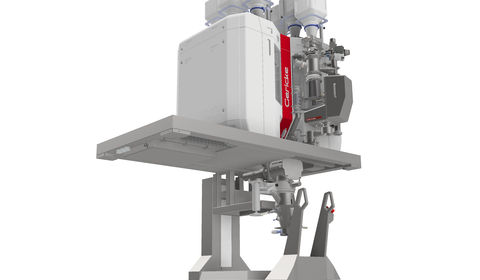
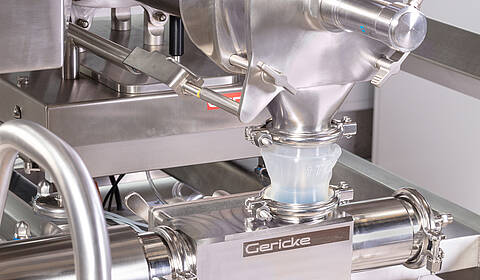
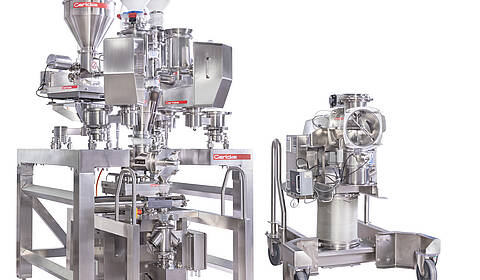
By combining continuous feeding, blending, Process Analytical Technology (PAT) and flexible downstream integration, continuous manufacturing enables a more controlled and scalable approach to pharmaceutical production. Gericke supports this transition with integrated solutions built around the GFS Gen3 platform, helping manufacturers establish efficient and reproducible OSD manufacturing processes from clinical supply through commercial production.
________________________________________
Why is continuous manufacturing transforming OSD production?
Traditional batch manufacturing often relies on multiple processing steps, manual material handling and separate equipment platforms. This can increase process complexity, prolong development timelines and create challenges when transferring products into commercial manufacturing.
Continuous manufacturing replaces these disconnected operations with an integrated process where materials move continuously through feeding, blending and downstream processing steps. This approach provides several benefits:
- Improved product quality and consistency
- Reduced material waste
- Faster progression from development to production
- Enhanced process understanding
- Greater manufacturing flexibility
- Smaller production footprint
As a result, pharmaceutical companies can achieve more efficient and robust manufacturing while maintaining high quality standards throughout the product lifecycle.
________________________________________
How does continuous manufacturing improve product quality and process control?
A key advantage of continuous pharmaceutical manufacturing is the ability to monitor and control the process in real time. Instead of relying solely on end-of-batch testing, manufacturers gain immediate visibility into critical process parameters and material attributes throughout production.
Process Analytical Technology (PAT) and Quality by Design (QbD) principles enable deeper process understanding and support data-driven decision making. Continuous operation also reduces process variability associated with repeated handling steps and batch-to-batch differences.
The result is improved content uniformity, enhanced process robustness and greater confidence in product quality.
________________________________________
Why are feeding and blending critical to continuous manufacturing success?
At the core of every continuous manufacturing process is the precise and consistent delivery of ingredients. Accurate feeding and continuous blending ensure that APIs and excipients are dosed and distributed uniformly throughout production, creating the foundation for stable process performance and consistent product quality.
By continuously controlling material flow and blend composition, manufacturers gain greater process understanding and can maintain tighter control over critical quality attributes. Combined with Process Analytical Technology (PAT), continuous feeding and blending support data-driven manufacturing, improved content uniformity and enhanced process robustness.
The result is a more controlled and reproducible manufacturing process that helps pharmaceutical companies maintain product quality while progressing efficiently from formulation development and clinical supply to commercial production.
________________________________________
How can manufacturers simplify the transition from development to commercial production?
One of the major goals of continuous manufacturing is maintaining a consistent manufacturing approach throughout the product lifecycle. Traditional manufacturing often requires process changes, additional equipment and repeated transfer activities as products move toward commercialization.
With continuous manufacturing, manufacturers can build process knowledge early and maintain a consistent process philosophy as production requirements evolve. This reduces technical risk, minimizes unnecessary transfers and helps accelerate the journey from formulation development to commercial supply.
________________________________________
What is the role of the GFS Gen3 platform in continuous manufacturing?
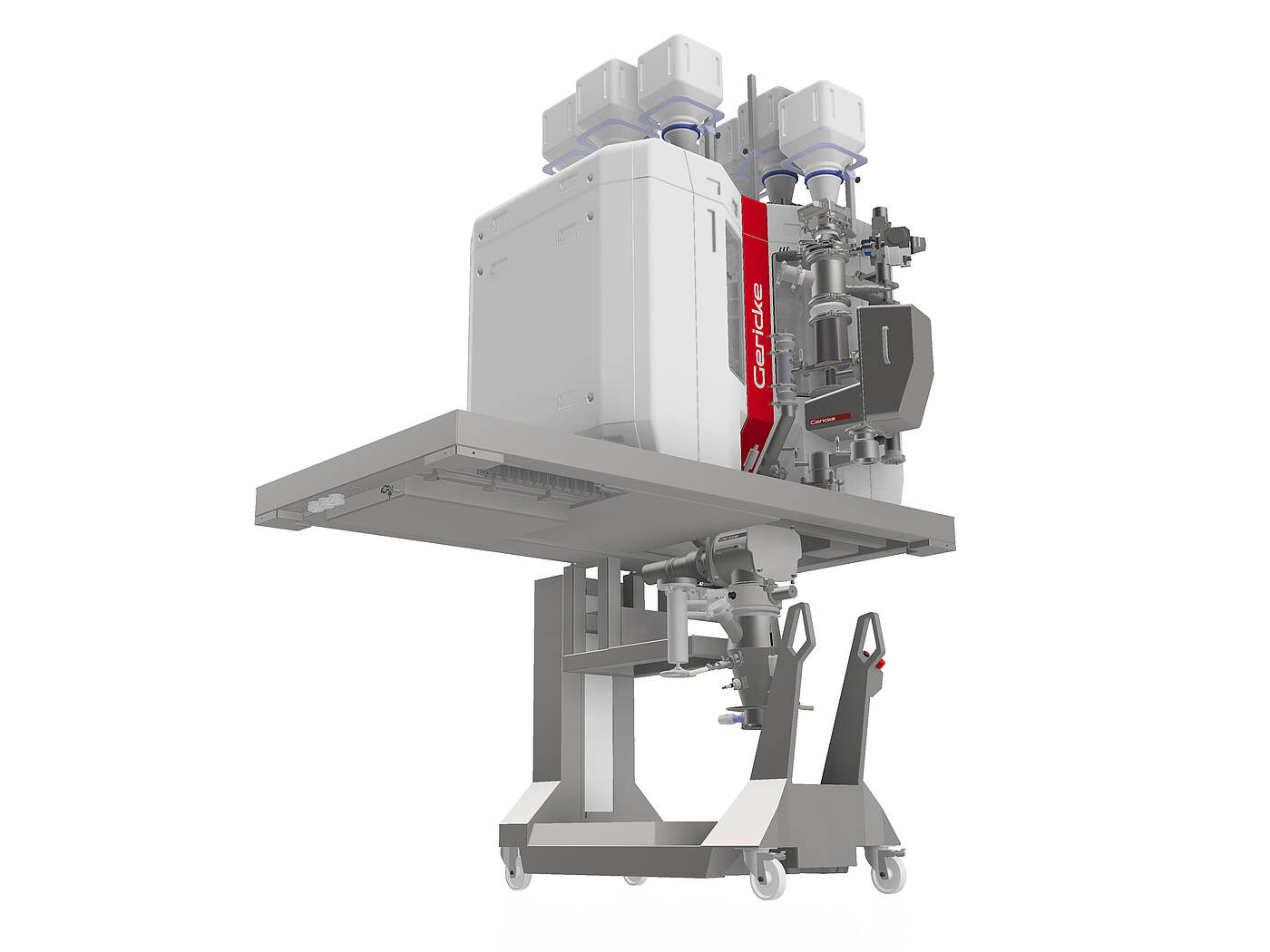
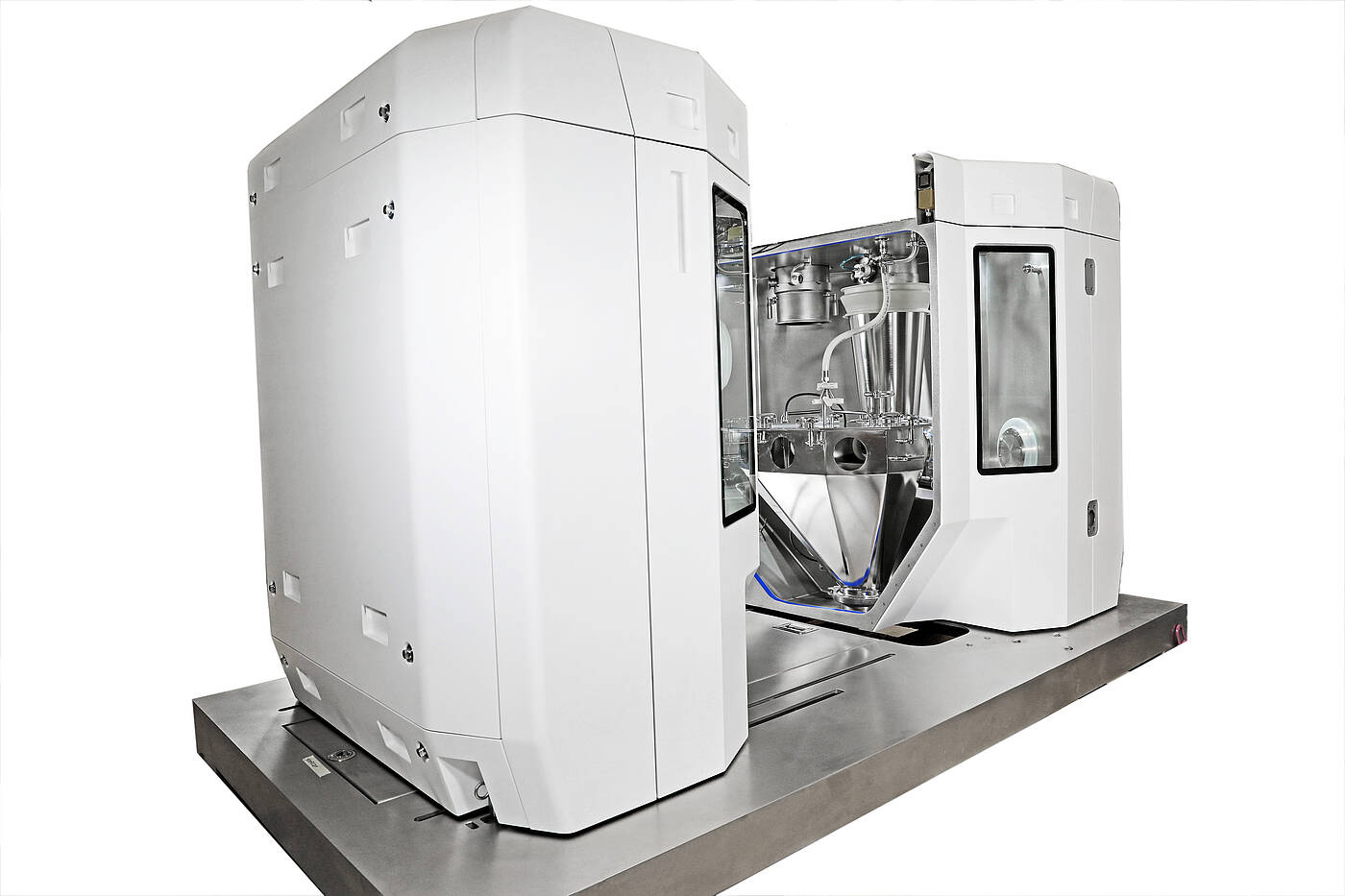
The Gericke Formulation Skid (GFS) Gen3 is a modular platform designed to support continuous OSD manufacturing. It integrates feeding, refill, blending, sampling, PAT and downstream processing into a single process framework.
Its flexible architecture enables manufacturers to configure systems according to product requirements, throughput targets and containment needs while maintaining a consistent operating philosophy. The platform supports applications such as continuous direct compression and continuous dry granulation, while also allowing integration with a wide range of downstream pharmaceutical processes.
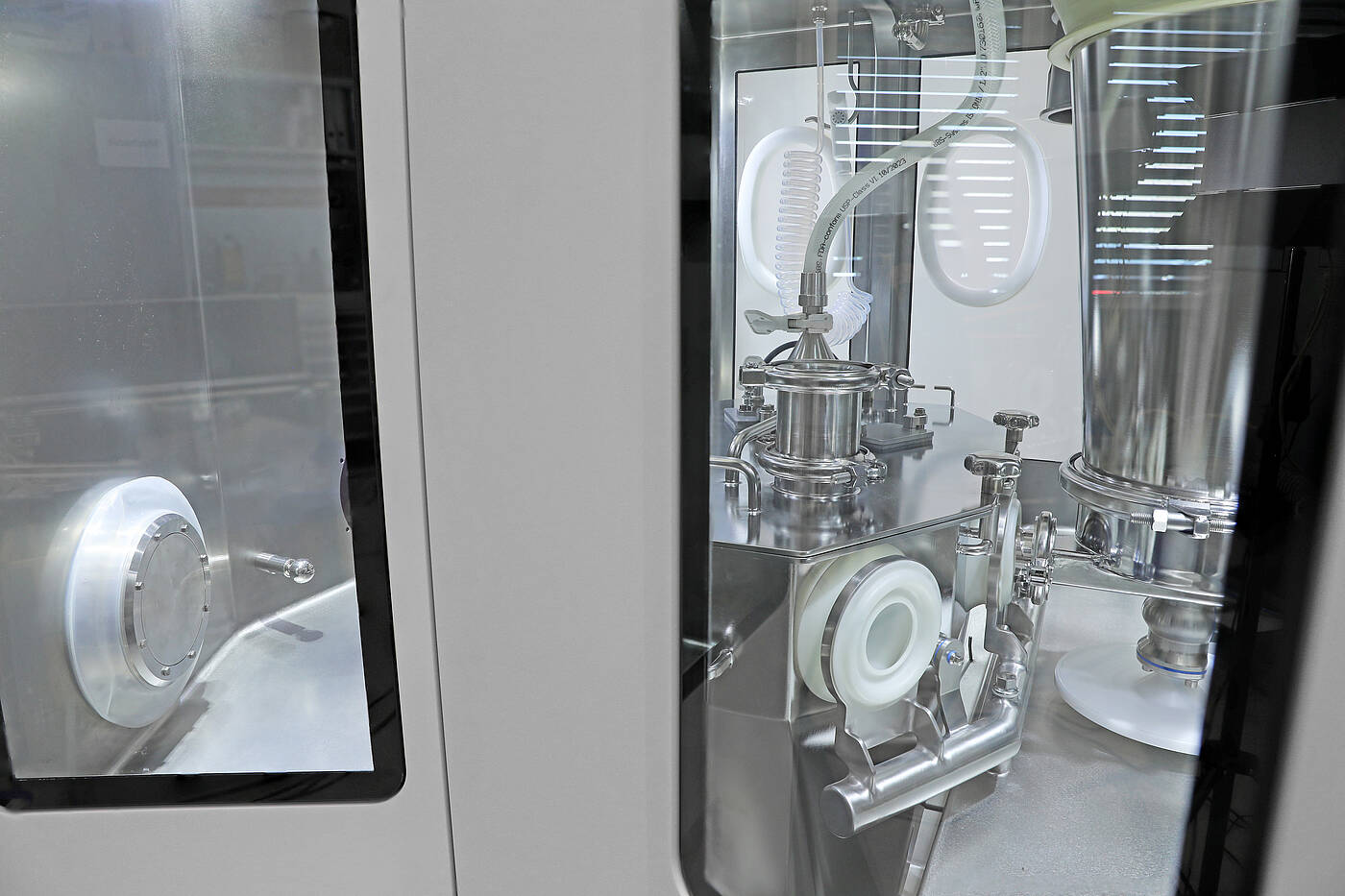
High containment options, optimized powder flow, wash-in-place capabilities and modular equipment configurations help support safe, efficient and GMP-compliant manufacturing operations.
________________________________________
Continuous Manufacturing for Modern OSD Production
Continuous manufacturing is reshaping how oral solid dosage products are developed and produced. By combining continuous feeding, blending, PAT and integrated process control, pharmaceutical manufacturers can improve quality, reduce waste, increase manufacturing efficiency and accelerate product development.
Gericke supports pharmaceutical manufacturers worldwide with continuous manufacturing expertise, application testing and integrated process solutions built around the GFS Gen3 platform. From formulation development and clinical supply to commercial production, these solutions help establish robust, scalable and efficient OSD manufacturing processes for the future of pharmaceutical production.